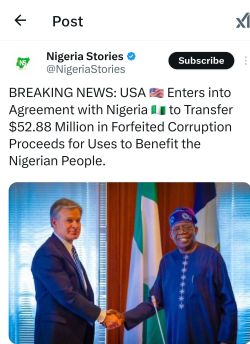
Corruption remains a deeply entrenched challenge in Nigeria, undermining its economic development, political stability, and public trust. This report examines the nature of corruption in Nigeria, key sectors affected, its socio-economic impacts, and alleged involvement of government officials.
Nature of Corruption in Nigeria
Corruption in Nigeria spans petty bribery, grand embezzlement, political patronage, and organized fraud. The systemic corruption is fueled by weak institutions, poor accountability, lack of transparency, and cultural factors. Successive governments have pledged to tackle corruption, but progress remains uneven.
Key Sectors Affected
- Public Administration: Corruption in the civil service includes bribery for government contracts, ghost worker schemes, and diversion of public funds.
- Oil and Gas: As a major revenue source, the sector has been plagued by mismanagement, illegal bunkering, and contract inflation.
- Judiciary: Cases of judicial corruption undermine the rule of law, with reports of judges taking bribes to influence verdicts.
- Security: Funds allocated for security and counter-terrorism efforts are often misappropriated, exacerbating insecurity in the country.
Government Officials Implicated in Corruption
Several high-profile cases have exposed the involvement of government officials in corruption. Some notable examples include:
- Diezani Alison-Madueke: The former Minister of Petroleum Resources (2010-2015) was accused of embezzling billions of dollars from the oil sector. Assets worth millions, including luxury homes and jewelry, have been seized.
- Abubakar Bagudu: The governor of Kebbi State has been implicated in laundering proceeds of corruption linked to the late dictator Sani Abacha.
- Bukola Saraki: The former Senate President faced allegations of misappropriating funds during his tenure as Governor of Kwara State.
- Sambo Dasuki: The former National Security Adviser was accused of diverting $2.1 billion meant for arms procurement.
- Orji Uzor Kalu: The former governor of Abia State was convicted of fraud involving over ₦7 billion but later had his conviction overturned on technical grounds.
Efforts to Combat Corruption
Nigeria has established anti-corruption agencies, including:
- Economic and Financial Crimes Commission (EFCC): Tasked with investigating financial crimes.
- Independent Corrupt Practices and Other Related Offences Commission (ICPC): Focuses on curbing public sector corruption.
Despite their efforts, these agencies face challenges such as political interference, underfunding, and a slow judicial process.
Socio-Economic Impacts
Corruption has dire consequences on Nigeria’s development:
- Economic Costs: Diverted resources undermine infrastructure, education, and healthcare investments.
- Poverty and Inequality: Misappropriated funds exacerbate poverty levels, with many citizens lacking access to basic services.
- Erosion of Trust: Public confidence in governance and institutions continues to decline.
- Insecurity: Corruption in defense spending hampers effective responses to terrorism and banditry.
Conclusion
Corruption remains a significant obstacle to Nigeria’s progress. While anti-corruption measures have yielded some results, they have not sufficiently addressed the systemic nature of the problem. Sustained political will, institutional strengthening, and greater public accountability are essential to tackle corruption effectively. The active participation of civil society and the media is also crucial in exposing and addressing corrupt practices.
This report underscores the need for Nigeria to prioritize genuine reforms and transparency to rebuild public trust and achieve sustainable development.
This na the first and probably the last time we go hear about this deal as Naija people.
 KRACHOUSE IN PIDGIN